Table of contents
Travel planning used to be a matter of ticking off monuments, booking the “best” hotel, and squeezing in a museum before dinner, yet a different kind of itinerary is quietly taking over, one shaped by dates on a local calendar rather than stars in a guidebook. From Europe’s summer arts circuits to Japan’s neighborhood matsuri, festivals now act as travel magnets, spreading visitors beyond capital-city centers and into smaller towns, and they are changing what travelers value: participation, timing, and atmosphere, not just sights.
Festivals turn “where” into “when”
Who wants a perfect view, if the city is asleep? The most striking shift festivals bring to travel is simple but profound: they convert destination choice into a question of timing, and that timing changes everything from price to crowding to what you actually experience. Traditional itineraries are spatial, they map out places, distances, and “must-sees”; festival itineraries are temporal, they anchor a trip to a handful of days when the streets look different, the food changes, and locals step into public life in a way visitors rarely witness on an ordinary week.
The numbers help explain why this matters. In many mature tourism markets, peak-season congestion has pushed visitors to look for “shoulder” windows when costs fall and streets breathe again, and festivals often sit exactly at those hinges between seasons. Hotels and flights follow the calendar: major event weekends can lift occupancy and room rates sharply in a single burst, while the surrounding days may remain comparatively affordable. That compression effect shapes traveler behavior, encouraging shorter, more intense trips that prioritize the core nights of a celebration, and it also pushes people to book earlier because the supply of central rooms is finite.
It is not only about cost, though, it is about meaning. A cathedral is still a cathedral in November, but a harvest celebration, a fire festival, or a neighborhood parade can only be seen when it happens, and that scarcity gives the experience a weight that even iconic landmarks struggle to match. Travelers increasingly talk about “catching” a festival the way previous generations talked about “seeing” a monument, and that linguistic shift signals a change in expectations: the trip is no longer a gallery visit, it is a live performance with a date, a tempo, and a mood.
That temporal focus also nudges people beyond the obvious. If the big-city headline festival is sold out or overpriced, the alternative is often a smaller celebration nearby, and those smaller events can become the real discovery of a trip. The itinerary expands, not by adding more checkmarks, but by following the festival circuit outward, from center to periphery, and from famous venues to ordinary streets.
A different map: neighborhoods, not landmarks
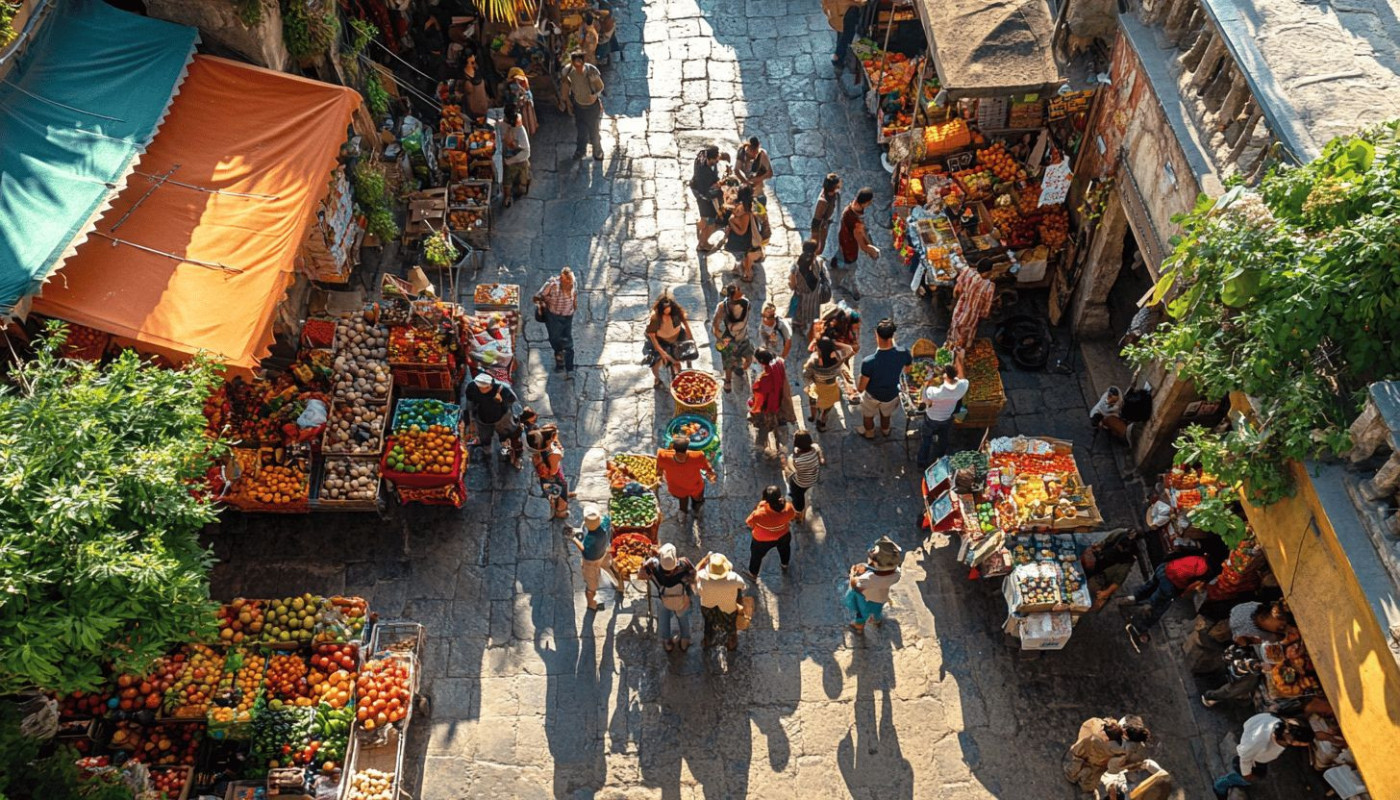
Follow the music, and you find the city. One reason festivals redefine itineraries is that they reorganize the visitor’s mental map around lived spaces: a riverside embankment where lanterns gather, a residential street lined with food stalls, a shrine approach where families linger, a temporary stage in a public square. Landmarks remain important, but they become backdrops rather than the main event, and the traveler’s day starts to look more like a local’s: meeting points, walking routes, and short bursts of movement punctuated by long moments of watching, eating, and waiting.
This neighborhood pull has practical consequences. It changes where people sleep, because proximity to an event matters more than proximity to a museum district, and it changes how they move, because public transport schedules, pedestrianized zones, and crowd-control measures can reshape a city for a night or a weekend. In many festival-heavy destinations, local authorities add late services, redirect buses, or close streets to cars, and the itinerary becomes a choreography: arrive early, pick a viewing spot, plan a return route, and accept that spontaneity is part of the price of immersion.
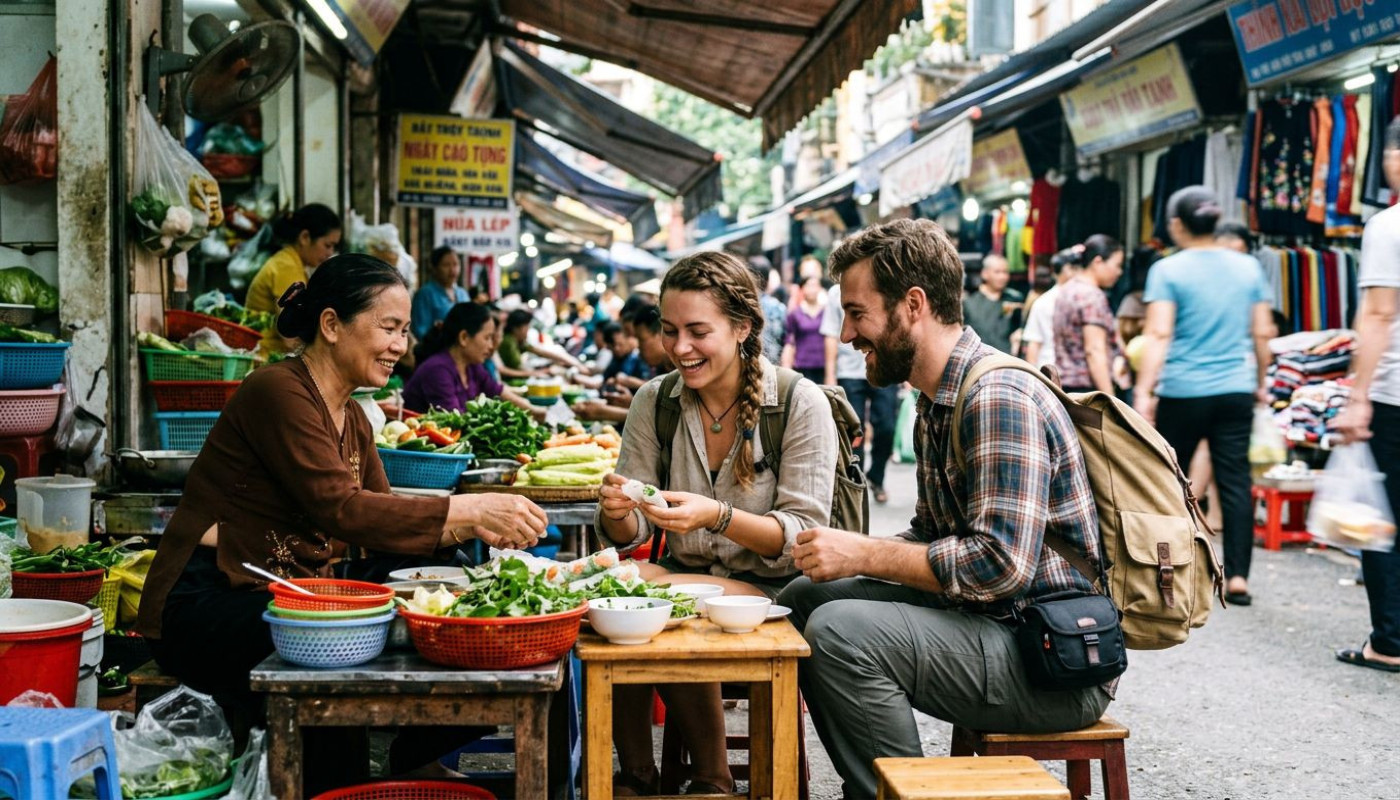
It also changes what travelers consume, literally. Festival food is not simply “street food” as a category, it is seasonal and symbolic, tied to rituals, local produce, and community fundraising. That is why festivals can turn a casual meal into an anchor point of a trip: you are not just eating in a place, you are eating what people there eat on that day. For travelers who are weary of restaurant lists that look identical from city to city, the specificity is a relief, and it becomes a reason to travel with an appetite for context rather than a checklist for “top-rated.”
In Japan, where matsuri often revolve around shrines and neighborhood associations, this neighborhood logic is especially clear. A visitor might come for Kyoto’s celebrated heritage, yet end up spending an evening following lantern-lit processions and drum rhythms through smaller streets, learning how a community organizes itself, and seeing the city as residents do, block by block. For those looking to understand that kind of local texture and to time their visit around the right celebrations, practical planning resources such as https://www.kyoto-spirit.com can help align dates, districts, and expectations without reducing the experience to a generic “things to do” list.
Money and crowds: the hidden itinerary makers
Celebration has a cost, and it is not always obvious. Festivals can democratize travel by creating free, open-air spectacles, yet they can also amplify the pressure points that already strain popular destinations: limited accommodation, crowded transit, and competition for space. The result is that the “real” itinerary is often written by constraints, and smart travelers now plan around those constraints as deliberately as they plan around attractions.
Start with accommodation, the most immediate pressure valve. When a major festival weekend hits, central rooms can vanish quickly, and prices often climb accordingly, particularly in cities with tight hotel supply. The savvy response is not merely to book early, it is to think laterally: stay one or two stops out on a rail line, consider smaller properties that benefit from festival spillover, and keep an eye on cancellation windows that can release inventory closer to the date. A festival trip can also make short stays rational, because the “peak” experience is concentrated; that can help offset higher nightly costs, especially when travelers prioritize the core event nights and leave on the shoulder days.
Crowds, meanwhile, are not only an inconvenience, they shape what you can actually see. The best viewing spots for parades, fireworks, or performances can function like scarce real estate, and the experience may depend on arrival time, patience, and local etiquette. In some destinations, authorities now implement ticketed zones, timed entry, or crowd-direction systems, and these policies effectively rewrite the itinerary: you cannot simply wander in at the last minute and expect the same experience. The upside is safety and flow; the downside is that spontaneity becomes harder, and travelers must decide what they value most, proximity, comfort, or flexibility.
There is also a wider economic story behind the scenes. Festivals are often pitched by local officials as tools for regional development, extending visitor spending to small businesses, temporary vendors, and cultural groups. That can be a virtuous cycle when managed well, but it can also create tension if residents feel overwhelmed or priced out, and that tension increasingly influences policy: caps on visitor numbers, restrictions on short-term rentals, or campaigns encouraging respectful behavior. For travelers, the implication is clear: the itinerary is no longer just personal preference, it is negotiated space, and being informed, and considerate, becomes part of the travel skillset.
Culture you can’t stream or “do later”
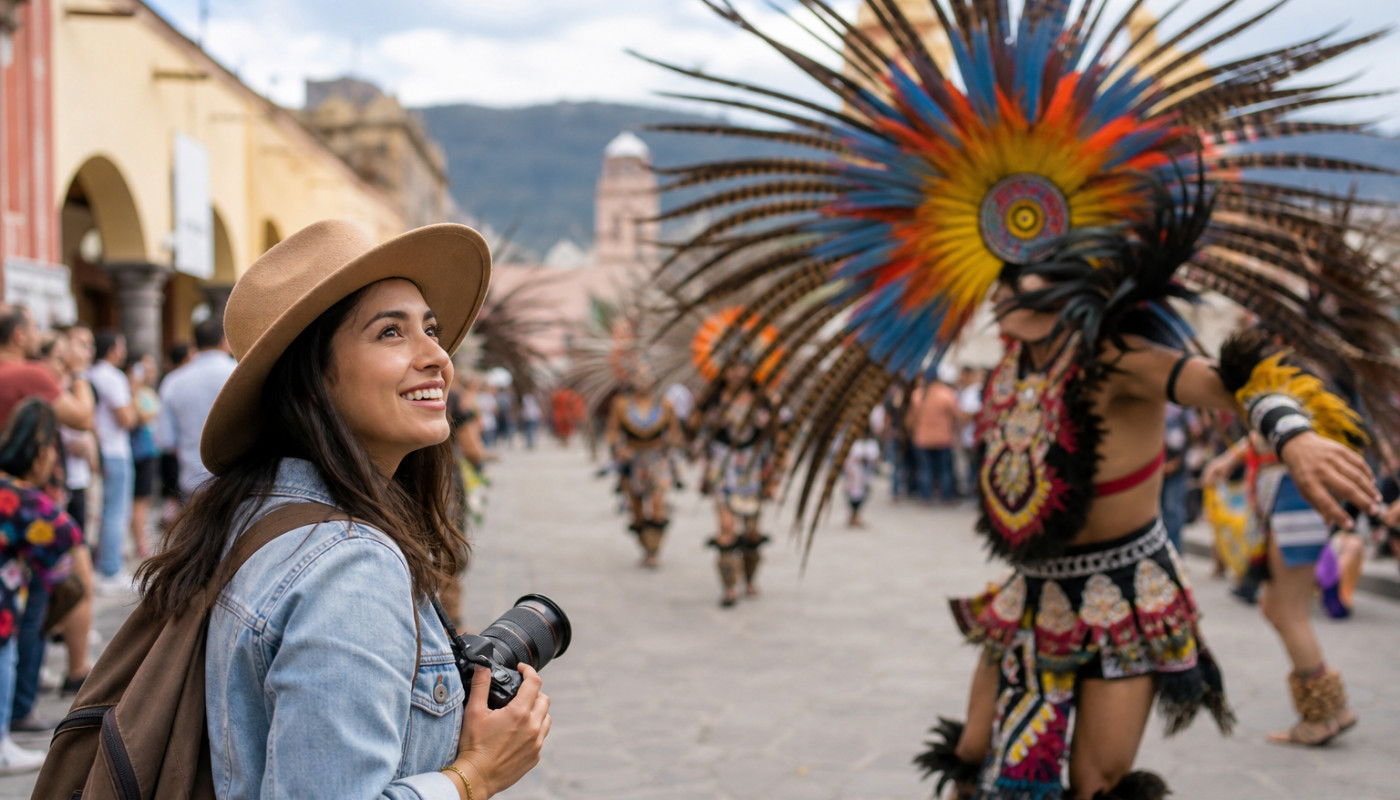
Some experiences refuse to be postponed. In an era when museums offer virtual tours and landmarks are endlessly photographed, festivals stand out because they are stubbornly physical: the sound of drums in a narrow street, the smell of smoke and food, the collective hush before a performance, and the sudden surge of movement when a procession turns a corner. You can watch clips online, but you cannot replicate the way a crowd breathes together, and that is precisely why festivals have become itinerary-defining.
This is also why festivals are increasingly central to the “experience economy” in travel. Travelers are not only looking to observe culture, they want to participate without pretending to be locals, to learn enough context to behave appropriately, and to come away with a story that is not interchangeable with the last city they visited. A festival offers built-in narrative: preparation, anticipation, climax, and aftermath, and that narrative provides a travel structure more satisfying than hopping between unrelated sites.
Yet the appetite for authenticity comes with responsibility. Festivals are not theme parks, they are living traditions, and the best experiences often come from respecting boundaries: where photography is discouraged, when silence matters, how to queue, what to wear, and how to dispose of trash when thousands of people share the same streets. Destinations that manage festivals well tend to communicate these norms clearly, and travelers who follow them find that access, and warmth, often increases rather than decreases.
Ultimately, local festivals redefine itineraries because they answer a modern traveler’s quiet question: what can I experience here that cannot happen anywhere else, and cannot happen again tomorrow? When a trip is built around that question, the itinerary stops being a route through attractions, and becomes a rendezvous with a community at a particular moment in its year.
How to plan without missing the moment
Build the trip around the calendar, not the map. Reserve key nights early, budget for price spikes on peak festival dates, and consider staying slightly outside the center to keep costs down while staying connected by transit. Check local rules, including ticketed zones and road closures, and look for public or municipal guides, and cultural listings that flag changes year to year.
Similar articles